
Mindfulness Exercises for Laser Focus: Sharpening Attention in a Distracted World
In our hyper-connected era, distractions are ubiquitous. Emails ping, notifications buzz, and a constant stream of information pulls our attention in countless directions. This relentless assault on our focus makes it challenging to engage deeply with tasks, hindering productivity and impacting our overall well-being. Fortunately, mindfulness, the practice of paying attention to the present moment without judgment, offers a powerful antidote to this scattered state. Cultivating mindfulness through specific exercises can significantly enhance focus, allowing us to achieve a state of “laser focus” where attention is sharp, concentration is sustained, and distractions fade into the background.
Understanding the Neuroscience of Mindfulness and Focus:
Before diving into specific exercises, it’s crucial to understand the neurological mechanisms underlying mindfulness and its impact on focus. Research using fMRI and EEG technology reveals that regular mindfulness practice can alter brain structure and function, particularly in areas related to attention, emotional regulation, and self-awareness.
-
Prefrontal Cortex (PFC): The PFC is responsible for executive functions like planning, decision-making, and, most importantly, attention control. Mindfulness strengthens the PFC, improving its ability to filter out distractions and maintain focus on the task at hand. Studies show increased gray matter density in the PFC of experienced meditators.
-
Anterior Cingulate Cortex (ACC): The ACC plays a crucial role in error detection and conflict monitoring. Mindfulness enhances the ACC’s ability to recognize when attention is wandering and redirect it back to the intended object of focus. This heightened awareness of attentional lapses is key to improving concentration.
-
Amygdala: This brain region is associated with processing emotions, particularly fear and anxiety. Mindfulness helps to regulate the amygdala’s activity, reducing emotional reactivity and making it easier to stay focused under pressure. Studies demonstrate reduced amygdala activation in individuals who practice mindfulness regularly.
-
Default Mode Network (DMN): The DMN is a network of brain regions active when we are not focused on a specific task and our minds are wandering. Excessive DMN activity is linked to rumination, worry, and decreased focus. Mindfulness practice helps to quiet the DMN, allowing us to be more present and attentive.
By understanding these neurological underpinnings, we can appreciate the profound impact of mindfulness on our ability to focus and concentrate.
Core Mindfulness Exercises for Enhancing Focus:
The following exercises are designed to cultivate mindfulness and improve focus. Consistency is key – even short, regular practice sessions can yield significant benefits.
1. Breath Awareness Meditation:
This is the cornerstone of many mindfulness practices and a particularly effective tool for sharpening focus.
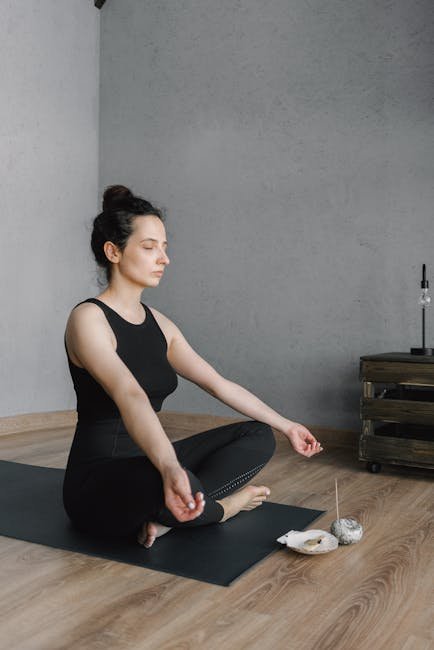
- Technique: Find a quiet place where you can sit comfortably. Close your eyes gently, or lower your gaze. Bring your attention to your breath. Notice the sensation of the air entering and leaving your body. Pay attention to the rise and fall of your abdomen or the feeling of the breath at your nostrils.
- Distraction Management: Your mind will wander; this is natural. When you notice your thoughts drifting, gently acknowledge them without judgment. Simply label the thought (“thinking,” “planning,” “remembering”) and gently redirect your attention back to your breath.
- Duration: Start with 5-10 minutes and gradually increase the duration as you become more comfortable.
- Focus Benefit: Breath awareness meditation strengthens the ability to observe thoughts without getting carried away by them, enhancing attentional control and reducing mind-wandering.
2. Body Scan Meditation:
This exercise cultivates awareness of physical sensations throughout the body, improving body awareness and grounding you in the present moment.
- Technique: Lie down comfortably on your back. Close your eyes or lower your gaze. Bring your attention to your toes. Notice any sensations – warmth, tingling, pressure, or even the absence of sensation. Gradually move your attention up your body, focusing on each body part in turn – feet, ankles, calves, knees, thighs, hips, abdomen, chest, back, fingers, hands, arms, shoulders, neck, face, and head.
- Sensation Acceptance: If you encounter discomfort or pain, simply acknowledge it without judgment. Resist the urge to fidget or change position unless absolutely necessary.
- Duration: Start with 10-15 minutes.
- Focus Benefit: Body scan meditation anchors you in the present moment by focusing on physical sensations, reducing mental distractions and improving concentration. It also cultivates a greater awareness of your body’s signals, helping you identify and address physical tension that can impede focus.
3. Mindful Walking:
This exercise brings mindfulness into movement, cultivating present moment awareness while engaging in a physical activity.
- Technique: Find a quiet place where you can walk undisturbed. Walk at a slow, comfortable pace. Pay attention to the sensations of your feet making contact with the ground. Notice the feeling of your weight shifting from one foot to the other. Observe the movements of your arms and legs.
- Sensory Engagement: Engage all your senses. Notice the sights, sounds, and smells around you. Avoid getting lost in thought.
- Distraction Management: If your mind wanders, gently bring your attention back to the sensations of walking.
- Duration: Start with 10-15 minutes.
- Focus Benefit: Mindful walking cultivates present moment awareness and improves focus by training the mind to stay grounded in the physical sensations of movement. It also provides a break from sedentary activities, refreshing the mind and improving cognitive function.
4. Sensory Observation:
This exercise involves focusing intently on a single sensory experience, sharpening attention and reducing mental chatter.
- Technique: Choose an object or sensation to focus on – a piece of fruit, a sound, a smell, or a visual image.
- Detailed Attention: If focusing on a piece of fruit, observe its color, shape, texture, and smell. Notice the subtle variations in its surface. If focusing on a sound, listen intently to its pitch, volume, and timbre. Notice the way it changes over time.
- Distraction Management: When your mind wanders, gently bring your attention back to the object or sensation you are focusing on.
- Duration: Start with 5-10 minutes.
- Focus Benefit: Sensory observation strengthens attentional control and improves focus by training the mind to concentrate on a single stimulus. It also cultivates a deeper appreciation for the richness of sensory experience.
5. Loving-Kindness Meditation (Metta Meditation):
While not directly focused on concentration, loving-kindness meditation fosters positive emotions, which indirectly support focus by reducing stress and improving overall well-being.
- Technique: Sit comfortably and close your eyes or lower your gaze. Begin by directing feelings of loving-kindness towards yourself. Silently repeat phrases such as: “May I be well. May I be happy. May I be peaceful. May I be free from suffering.”
- Expanding Compassion: Gradually expand your circle of compassion to include loved ones, friends, neutral individuals, difficult individuals, and ultimately, all beings. Repeat the same phrases for each group.
- Duration: Start with 10-15 minutes.
- Focus Benefit: By cultivating positive emotions, loving-kindness meditation reduces stress, anxiety, and negative self-talk, which can all interfere with focus. It promotes a sense of inner peace and well-being, creating a more conducive environment for concentration.
Integrating Mindfulness into Daily Life for Enhanced Focus:
The benefits of mindfulness extend beyond formal meditation practice. Integrating mindfulness into daily activities can further enhance focus and improve overall quality of life.
- Mindful Eating: Pay attention to the taste, texture, and smell of your food. Eat slowly and savor each bite. Avoid distractions such as phones or television.
- Mindful Listening: When someone is speaking, give them your full attention. Avoid interrupting or thinking about what you are going to say next.
- Mindful Working: Before starting a task, take a few deep breaths to center yourself. Focus on the task at hand and avoid multitasking. Take short breaks to stretch and move around.
- Mindful Communication: Be present and attentive during conversations. Listen actively and respond thoughtfully. Avoid distractions such as phones or email.
Troubleshooting Common Challenges:
- Mind Wandering: Mind wandering is a natural part of the process. Don’t get discouraged. Simply acknowledge the distraction and gently redirect your attention back to your chosen object of focus.
- Restlessness: If you feel restless during meditation, try a more active form of mindfulness, such as mindful walking.
- Judgment: Avoid judging your thoughts or experiences. Simply observe them with curiosity and acceptance.
- Lack of Time: Even a few minutes of mindfulness practice can be beneficial. Integrate short mindfulness exercises into your daily routine.
- Negative Emotions: If you experience difficult emotions during mindfulness practice, acknowledge them without judgment. If the emotions are overwhelming, consider seeking guidance from a qualified mindfulness teacher or therapist.
Advanced Techniques and Considerations:
As you become more experienced with mindfulness practice, you can explore more advanced techniques.
- Vipassana Meditation: This technique involves observing the changing nature of thoughts, feelings, and sensations without identifying with them.
- Walking Meditation Variations: Experiment with different walking speeds and focus on different aspects of the walking experience, such as the weight of your body, the rhythm of your steps, or the environment around you.
- Samatha-Vipassana Meditation: This practice combines concentration (Samatha) with insight (Vipassana) meditation, cultivating both focus and wisdom.
Furthermore, consider these factors:
- Consistency: Regular practice is essential for reaping the benefits of mindfulness. Aim for at least 10-15 minutes of practice each day.
- Environment: Create a quiet and comfortable environment for your mindfulness practice.
- Guidance: Consider seeking guidance from a qualified mindfulness teacher or therapist, especially if you are struggling with difficult emotions or mental health challenges.
By incorporating these mindfulness exercises and principles into your daily life, you can cultivate laser focus, enhance productivity, and improve your overall well-being. The journey towards mindfulness is a continuous process of learning, growth, and self-discovery. Embrace the challenges and celebrate the successes along the way. The rewards of a focused and present mind are immeasurable.