
Corporate Calm: Meditation Techniques for a Productive and Balanced Workplace
In today’s relentlessly demanding corporate landscape, characterized by tight deadlines, constant connectivity, and relentless pressure to perform, employee well-being often takes a backseat. This can lead to increased stress, burnout, decreased productivity, and even higher employee turnover rates. A growing number of organizations are recognizing the importance of fostering a culture of mindfulness and are incorporating meditation techniques into their workplace wellness programs. Meditation, a practice that cultivates mental clarity and emotional regulation, offers a powerful antidote to the stresses of modern corporate life. This article delves into a variety of meditation techniques that can be effectively implemented in the workplace to enhance focus, reduce anxiety, and promote a healthier, more balanced work environment.
Understanding the Benefits of Workplace Meditation
Before exploring specific techniques, it’s crucial to understand the multifaceted benefits meditation offers in a corporate setting. Scientifically-backed advantages include:
- Stress Reduction: Meditation activates the parasympathetic nervous system, the body’s “rest and digest” response, counteracting the fight-or-flight reaction triggered by stress. This leads to lower cortisol levels (the stress hormone) and reduced feelings of anxiety and overwhelm.
- Improved Focus and Concentration: Regular meditation practice strengthens neural pathways associated with attention and cognitive control. By training the mind to stay present and resist distractions, employees can enhance their focus and concentration, leading to increased productivity and fewer errors.
- Enhanced Emotional Regulation: Meditation cultivates self-awareness, allowing individuals to observe their thoughts and emotions without judgment. This increased awareness enables employees to manage their emotional reactions more effectively, promoting calmer and more constructive interactions with colleagues and clients.
- Increased Creativity and Innovation: By quieting the mental chatter and creating space for new ideas to emerge, meditation can unlock creativity and foster innovation. A relaxed and focused mind is more receptive to novel insights and solutions.
- Improved Sleep Quality: Stress and anxiety often disrupt sleep patterns. Meditation can help calm the mind and relax the body, leading to improved sleep quality and increased energy levels during the workday.
- Enhanced Teamwork and Collaboration: By promoting empathy and understanding, meditation can improve communication and collaboration among team members. When individuals are more present and aware of their own emotions and the emotions of others, they are better able to build stronger relationships and work together effectively.
- Reduced Absenteeism and Turnover: A supportive and mindful workplace can significantly reduce employee stress and burnout, leading to lower rates of absenteeism and turnover. Investing in employee well-being is a strategic investment in the long-term health and success of the organization.
Specific Meditation Techniques for the Corporate Environment
Several meditation techniques can be readily adapted for use in the workplace. These techniques vary in duration, complexity, and focus, allowing organizations to cater to the diverse needs and preferences of their employees.
-
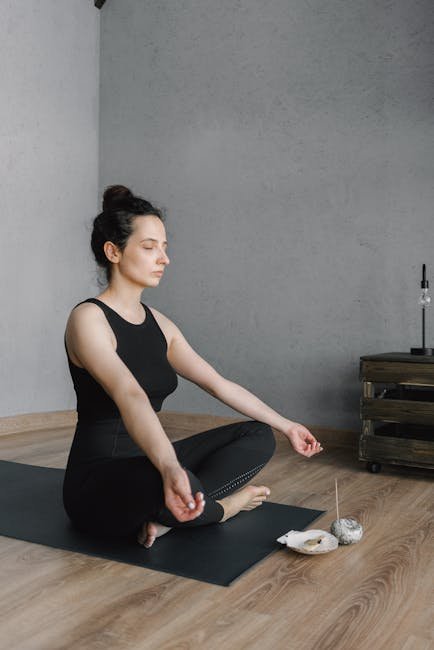
Mindful Breathing (Anapanasati): This is a foundational meditation technique that involves focusing on the sensation of the breath as it enters and leaves the body. It’s simple, accessible, and can be practiced anywhere, anytime.
- How to Practice: Find a comfortable seated position, either in a chair or on the floor. Close your eyes or lower your gaze. Bring your attention to your breath. Notice the feeling of the air entering your nostrils, filling your lungs, and then leaving your body. Don’t try to control your breath; simply observe it. When your mind wanders (and it will), gently redirect your attention back to your breath. Start with 5-10 minutes and gradually increase the duration as you become more comfortable.
- Corporate Application: Encourage employees to take short “breathing breaks” throughout the day, especially during stressful moments. Guide them through a 2-3 minute mindful breathing exercise during team meetings or as a quick reset between tasks.
-
Body Scan Meditation: This technique involves systematically bringing awareness to different parts of the body, noticing any sensations without judgment. It helps to release tension and cultivate a deeper connection with the physical self.
- How to Practice: Lie down on your back or sit comfortably in a chair. Close your eyes and bring your attention to your toes. Notice any sensations you feel – tingling, warmth, pressure, or even nothing at all. Slowly move your attention up through your feet, ankles, calves, knees, thighs, hips, and so on, until you reach the top of your head. As you scan each part of your body, simply observe the sensations without trying to change them. If you encounter any areas of tension or discomfort, gently acknowledge them and breathe into them.
- Corporate Application: Offer guided body scan meditation sessions during lunch breaks or after work. Provide employees with access to audio recordings of body scan meditations they can use at their desks or at home.
-
Walking Meditation: This technique involves paying attention to the sensations of walking, such as the feeling of your feet touching the ground and the movement of your body. It’s a great way to incorporate mindfulness into your daily routine and break up long periods of sitting.
- How to Practice: Find a quiet place where you can walk back and forth without distractions. Stand tall and relax your shoulders. Bring your attention to your feet. Notice the feeling of your heel lifting off the ground, the transfer of weight to the ball of your foot, and then the push-off with your toes. Pay attention to the rhythm of your steps and the movement of your arms. If your mind wanders, gently redirect your attention back to the sensations of walking.
- Corporate Application: Encourage employees to take walking meditation breaks during the workday. Suggest they walk around the office or outside for 10-15 minutes, focusing on the sensations of walking rather than their thoughts.
-
Loving-Kindness Meditation (Metta): This practice involves cultivating feelings of love, compassion, and kindness towards oneself and others. It can help to improve relationships, reduce negativity, and foster a more positive and supportive work environment.
- How to Practice: Find a comfortable seated position. Close your eyes and bring to mind someone you care about – a friend, family member, or pet. Silently repeat phrases such as “May you be happy. May you be healthy. May you be safe. May you be at ease.” Gradually expand your circle of loving-kindness to include yourself, neutral people, difficult people, and eventually all beings.
- Corporate Application: Incorporate loving-kindness meditation into team-building activities or conflict resolution sessions. Encourage employees to practice loving-kindness meditation before meetings or when dealing with challenging clients or colleagues.
-
Visualization Meditation: This technique involves creating mental images to promote relaxation, improve focus, and achieve specific goals. It can be a powerful tool for enhancing creativity and problem-solving skills.
- How to Practice: Find a comfortable seated or lying position. Close your eyes and imagine a peaceful and relaxing scene – a beach, a forest, or a mountain. Engage all of your senses – see the colors, hear the sounds, smell the fragrances, and feel the textures. Allow yourself to fully immerse in the visualization. Alternatively, visualize yourself successfully completing a task or achieving a goal. Focus on the positive feelings associated with your success.
- Corporate Application: Use visualization meditation to prepare for important presentations or negotiations. Encourage employees to visualize themselves successfully completing challenging projects or achieving their career goals.
Implementing Meditation in the Workplace: Practical Considerations
To successfully integrate meditation into the corporate culture, consider the following practical steps:
- Start Small and Offer Variety: Begin with short, introductory sessions and gradually increase the duration and complexity as employees become more comfortable. Offer a variety of meditation techniques to cater to different preferences and needs.
- Provide a Dedicated Space: Designate a quiet and comfortable space in the office for meditation and mindfulness practices. This space should be free from distractions and promote a sense of calm and relaxation.
- Offer Guided Meditation Sessions: Provide regular guided meditation sessions led by qualified instructors. These sessions can be held during lunch breaks, before or after work, or even during team meetings.
- Promote Leadership Buy-In: Encourage senior leaders to participate in meditation programs and openly support mindfulness initiatives. This will help to create a culture where meditation is valued and encouraged.
- Provide Training and Resources: Offer workshops and training sessions on meditation techniques and mindfulness principles. Provide employees with access to books, articles, and online resources related to meditation.
- Integrate Mindfulness into Daily Activities: Encourage employees to practice mindfulness in everyday situations, such as during meetings, while answering emails, or while eating lunch.
- Measure the Impact: Track the impact of meditation programs on employee stress levels, productivity, and overall well-being. Use surveys, focus groups, and other data collection methods to assess the effectiveness of the initiatives and make adjustments as needed.
By incorporating these meditation techniques and practical considerations, organizations can cultivate a more mindful, productive, and balanced work environment, leading to improved employee well-being and increased business success.